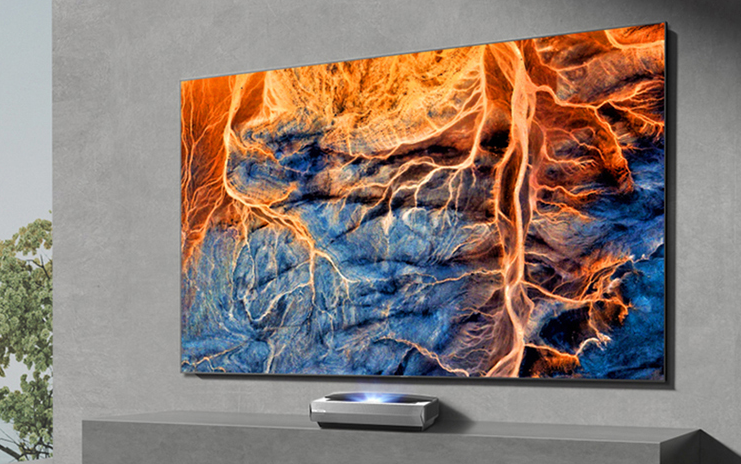
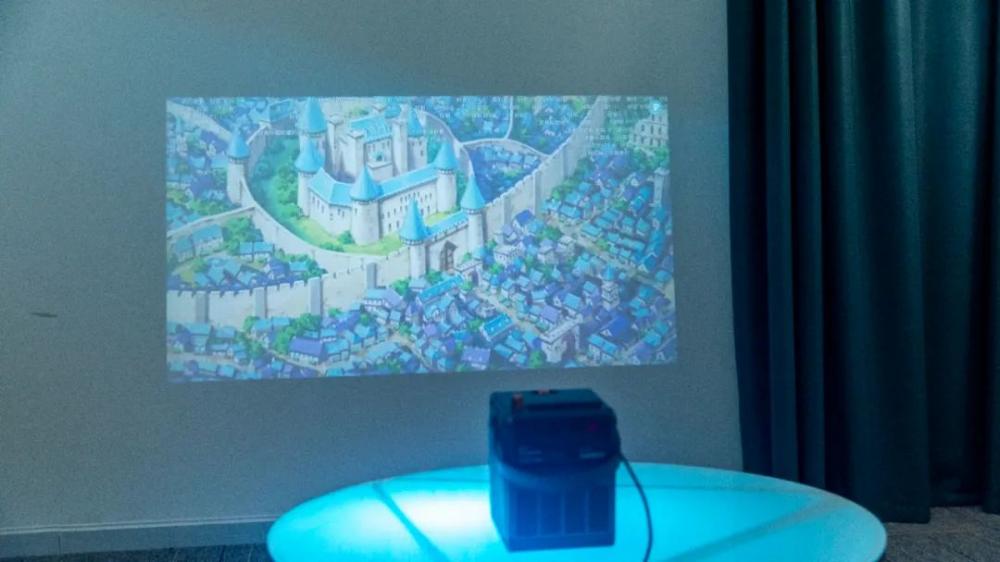
In this issue, the editor will discuss with you the differences between projectors and laser TVs from three aspects: light source and photoresist, composition and price, and installation distance.
01
Three major differences between projectors and laser TVs
Despite the name Laser TV, it's not a TV. Essentially, laser TVs belong to a subcategory of projectors, also known as ultra-short throw laser projection.
Light source and photoresist
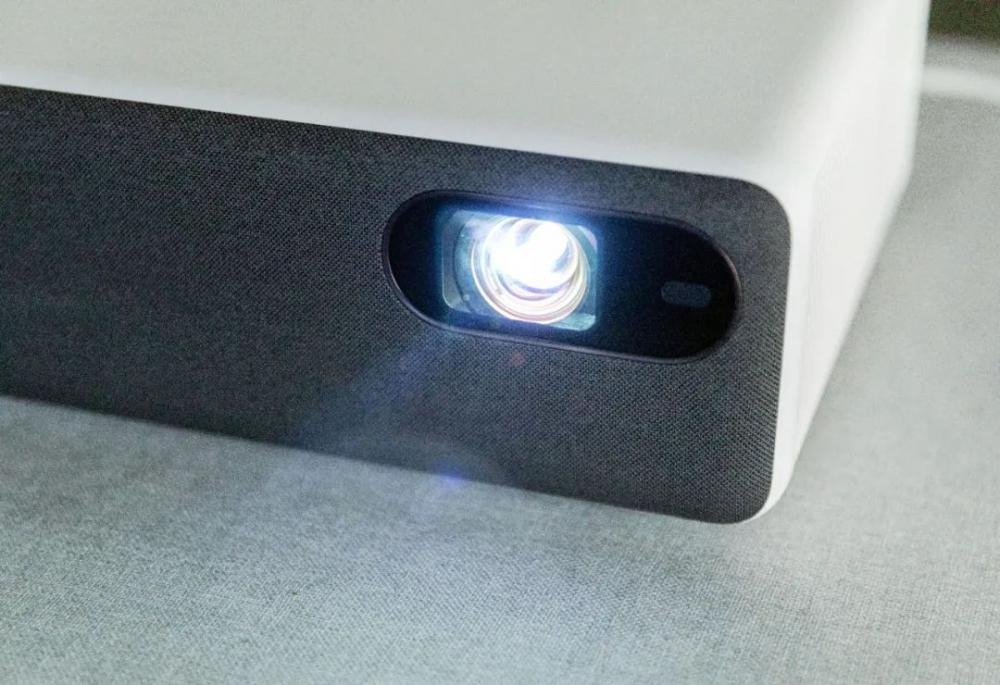
Light sources are an integral part of projectors and laser TVs. The light source of the projector is generally divided into two types: the traditional light bulb and the LED light source; the light source of the laser TV is the traditional solid-state laser. The advantages and disadvantages of different light sources are also very obvious: "laser light sources" have higher brightness and longer life, and of course are more expensive; "traditional light bulbs" are very cheap but have short lifespans; "LED light sources" are moderately priced. Medium life.
composition
Most projectors have just one head unit, then a matching remote and power cord to project directly onto a white wall. If you want to have a better picture effect, you need to buy suitable accessories, such as curtains; and laser TV already includes the host, speakers and screen, so the volume of laser TV is generally relatively large, and you need to reserve a certain space for the screen before installation.